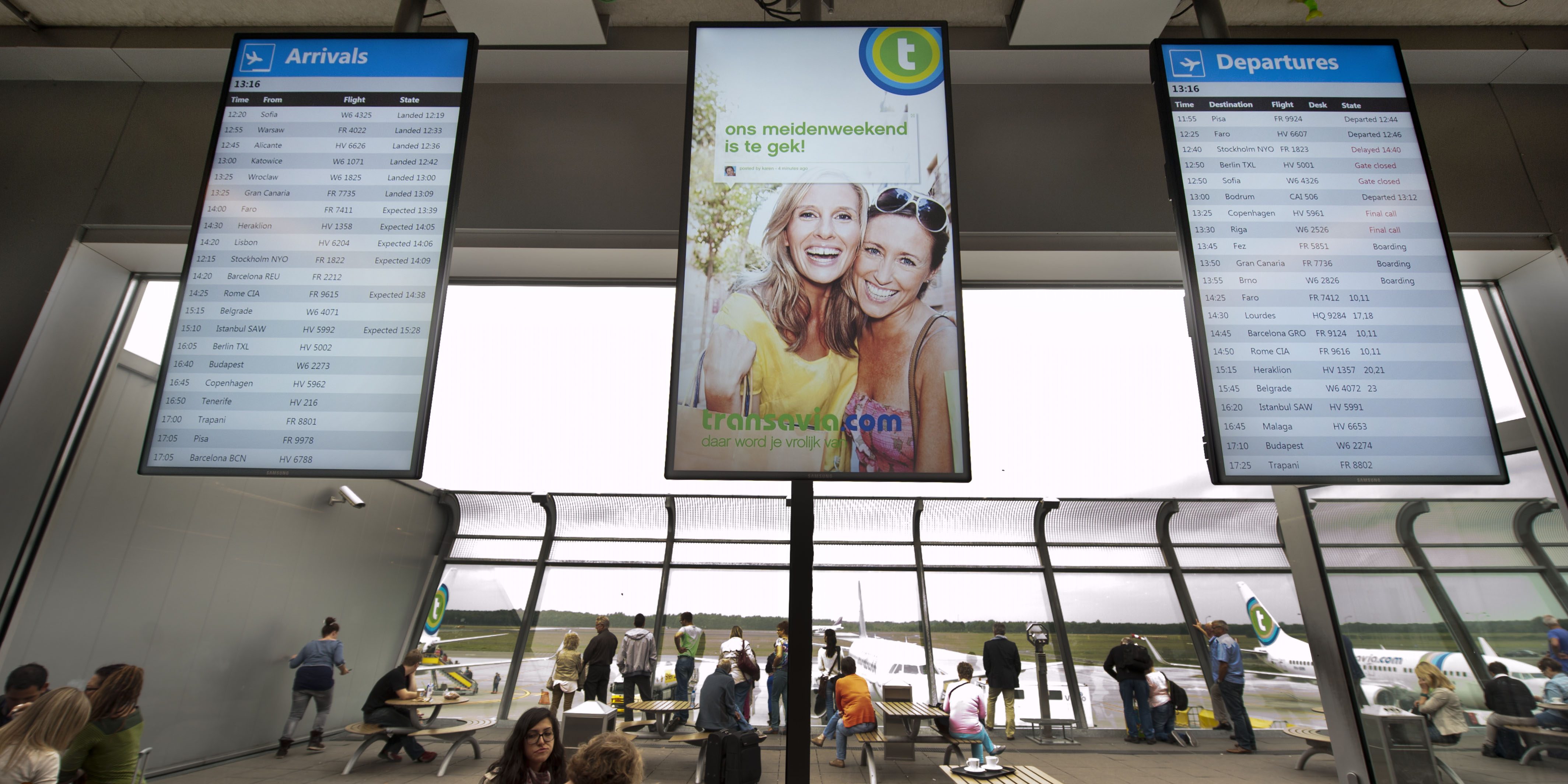
Airports are evolving into highly connected, experience-driven environments where efficient communication is critical. As passenger volumes increase and expectations rise, airports are adopting advanced digital signage solutions to deliver real-time, relevant information across every stage of the journey.
From flight updates to wayfinding, modern airport digital signage systems play a central role in improving passenger experience while streamlining operations.
The Challenge: Managing Passenger Experience in Complex Airport Environments
Navigating a large airport can be overwhelming. Passengers move through multiple touchpoints including check-in, security, retail zones, boarding gates, and baggage claim. Common challenges include:
- Lack of real-time information
- Poor wayfinding across terminals
- Disconnected communication systems
- Increased passenger stress during peak hours
Traditional flight information display systems (FIDS) alone are no longer sufficient. Airports now require integrated digital signage platforms for airports that can manage communication across the entire passenger journey.
What Is Airport Digital Signage and FIDS?
Airport digital signage refers to a network of connected displays used to deliver real-time information, guidance, and content across terminals. At the core of this ecosystem is the Flight Information Display System (FIDS). However, modern solutions such as PADS4 FIDS go far beyond traditional flight boards. PADS4 FIDS enables airports to:
- Integrate data from multiple airport systems
- Deliver real-time flight and operational updates
- Manage content centrally across all displays
- Extend communication beyond gates to the full airport journey
This transforms FIDS from a standalone system into a comprehensive airport communication platform.
How Digital Signage Improves Passenger Experience in Airports
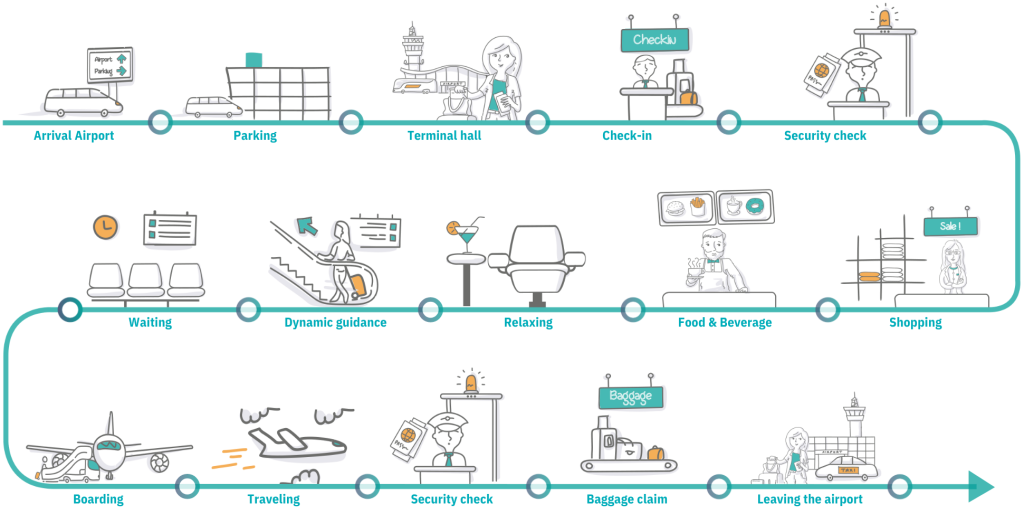
Real-Time Flight Information Displays and Updates
Accurate, real-time information is essential in airport environments.
With advanced airport FIDS software, passengers receive:
- Live departure and arrival updates
- Gate changes and boarding information
- Baggage carousel details
This reduces uncertainty and improves decision-making throughout the journey.
Digital Wayfinding Solutions for Airports
Large airports require intuitive navigation systems.
Modern digital wayfinding solutions in airports provide:
- Dynamic directions based on location
- Clear visual navigation cues
- Integration with real-time operational data
This helps passengers move efficiently from curb to gate.
Enhancing Passenger Experience During Disruptions
Delays and disruptions are inevitable in aviation.
Digital signage plays a key role in:
- Providing timely updates during delays
- Communicating alternative arrangements
- Reducing passenger anxiety through clear messaging
A well-informed passenger is more confident and less stressed.
Improving Passenger Flow with Airport Digital Displays
Managing passenger flow is a major operational challenge.
Using digital signage for airport passenger flow management, airports can:
- Display real-time queue and wait times
- Redirect passengers to less crowded areas
- Reduce congestion at key touchpoints
This improves both efficiency and passenger satisfaction.
Contextual Communication Across the Passenger Journey
Digital signage enables context-aware communication in airports.
Content can be tailored based on:
- Location (check-in, security, gates, baggage)
- Time of day
- Passenger needs
For example:
- Security instructions at screening zones
- Boarding updates at gates
- Retail promotions in waiting areas
This ensures information is always relevant and timely.
Multilingual and Inclusive Passenger Communication
Airports serve a global audience, making clear communication essential.
With airport digital signage systems, operators can:
- Deliver multilingual content
- Use universally understood symbols and visuals
- Improve accessibility for diverse passenger groups
This creates a more inclusive and user-friendly environment.
The Role of PADS4 FIDS in Modern Airports
Unlike traditional systems, PADS4 FIDS for airports acts as a unified platform that connects all communication channels.
It enables:
- Centralised content management across terminals
- Integration with operational systems via APIs
- Real-time, automated content updates
- Consistent communication from curb to gate
By extending beyond conventional FIDS, PADS4 supports a connected passenger journey, ensuring that every screen delivers meaningful, up-to-date information.
The Future of Digital Signage in Airports
The future of airport digital signage solutions lies in deeper integration and intelligence.
Airports are moving towards:
- Fully connected digital ecosystems
- Data-driven and automated communication
- Personalised passenger experiences
As technology evolves, digital signage will continue to transform how airports communicate, operate, and engage with passengers.
The Business Impact of Connected Communication
Digital signage has become a critical component of modern airport infrastructure. It enhances passenger experience by providing real-time information, improving navigation, and ensuring consistent communication across all touchpoints.
With advanced platforms like PADS4 FIDS, airports can move beyond traditional flight displays and create a seamless, connected journey from curb to gate.