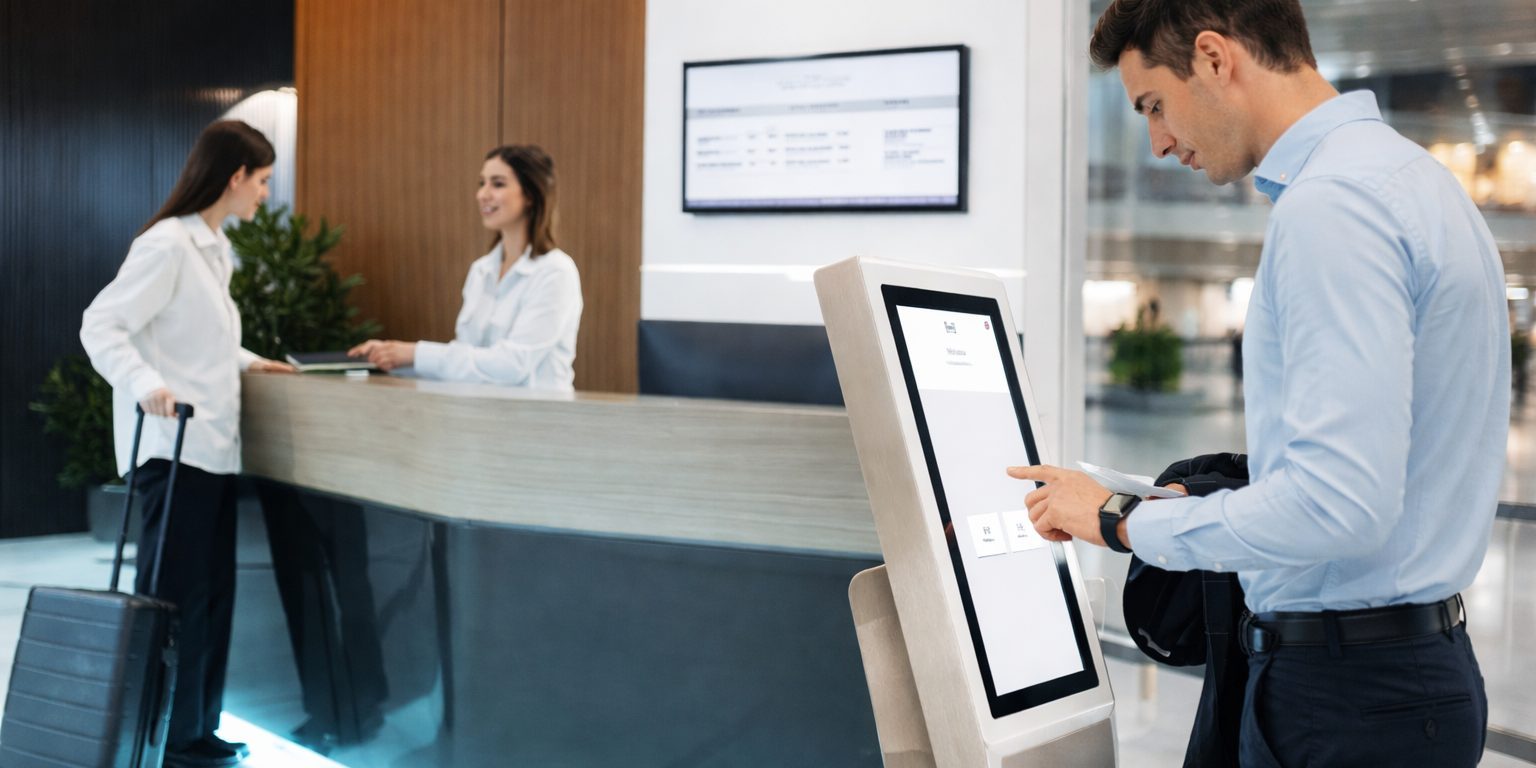
For many organizations, the reception desk has long been seen as a simple operational function. Visitors arrive, sign a paper logbook, receive a badge, and wait to be escorted. But in modern workplaces, corporate campuses, hospitals, universities, and smart buildings, that model is rapidly becoming outdated.
Today, visitor management is evolving into a digital experience layer that combines security, efficiency, and intelligent building communication. It is no longer just about checking people in. It is about managing access, guiding guests through spaces, and integrating visitor workflows into the broader digital infrastructure of the building.
This shift is exactly where modern platforms such as PADS4 Visitor Management come into play.
The Problem with Traditional Visitor Handling
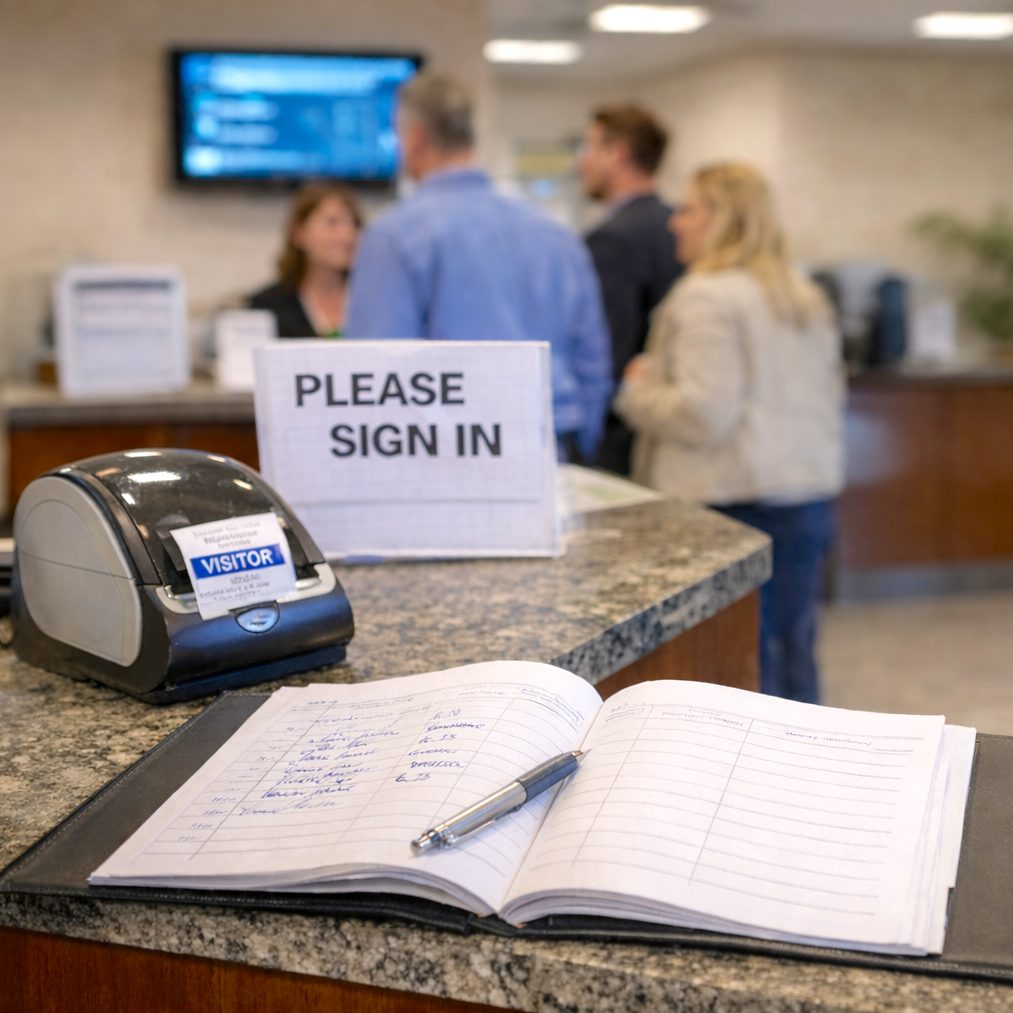
Most organizations still rely on manual or semi-manual processes to manage visitors. These approaches create several challenges:
• Paper logbooks that offer little security or traceability
• Long reception queues during busy hours
• Manual badge printing and administrative overhead
• Limited visibility into who is currently in the building
• Disconnected systems for reception, meeting rooms, and navigation
These inefficiencies affect more than operations. They also shape the first impression visitors have of an organization. And in an era where workplaces are becoming more digital and data-driven, reception processes must evolve as well.
The Digital Evolution of Visitor Management
Visitor management systems are designed to digitize and automate the entire visitor journey, from invitation to check-out.
Instead of manual reception workflows, organizations can now manage visitors through structured digital processes that include:
• Pre-registration before arrival
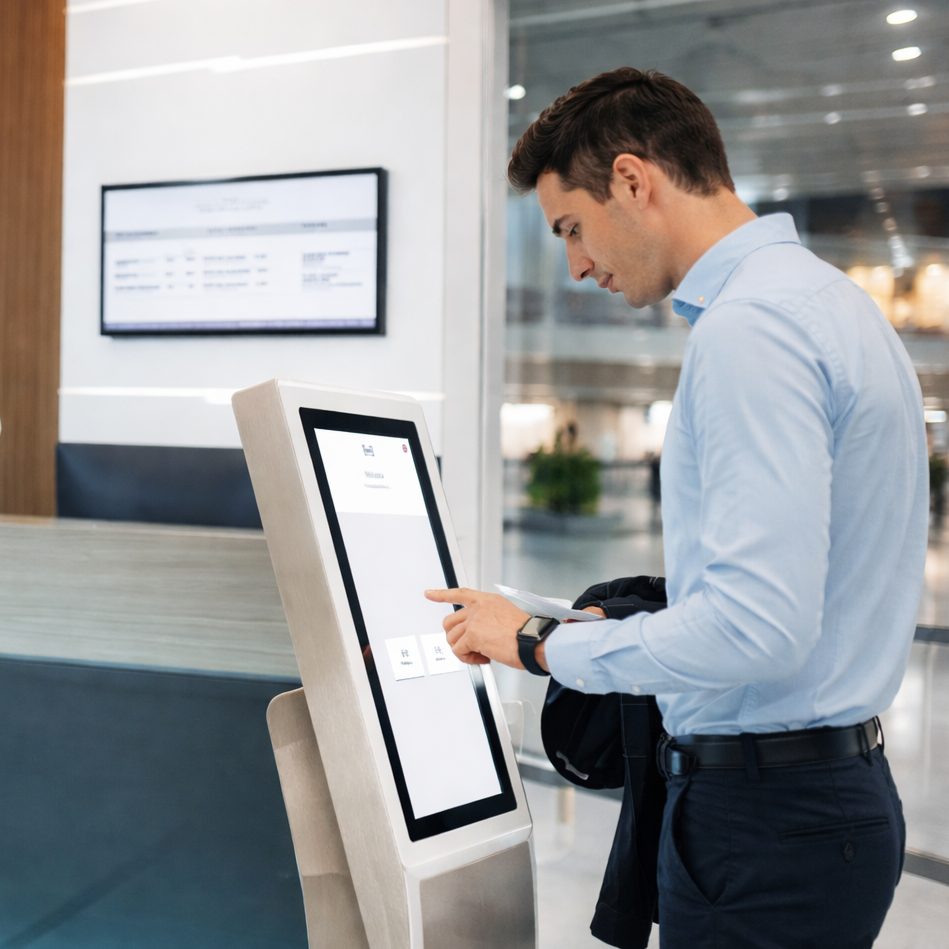
• Self check-in via kiosks
• QR code or PIN-based access
• Automatic badge printing
• Real-time visitor tracking
By automating routine tasks, modern visitor management systems streamline reception operations while improving both security and efficiency.
The result is a smoother arrival experience for visitors and less administrative work for reception teams.
From Reception Desk to Digital Entry Experience
One of the most powerful aspects of modern visitor management platforms is the ability to create multiple levels of visitor interaction, depending on the organization’s needs. This flexibility allows organizations to scale visitor management according to building size, visitor volume, and security requirements.
- Manual Reception: Visitors arrive and reception staff complete the check-in process.
- Semi-Digital Workflow: Visitors receive a QR code or PIN in advance and check in at a kiosk before collecting their badge.
- Fully Digital Experience: Visitors pre-register, check in through a kiosk, and receive a printed badge automatically without reception staff intervention.
Security and Compliance in Modern Workplaces
Security is one of the primary drivers behind the adoption of visitor management technology.
Organizations today must maintain clear records of who enters their facilities and when. Digital visitor systems create secure, auditable records of visitor activity, allowing organizations to track check-ins, check-outs, and access permissions in real time.
Additionally, modern visitor systems can incorporate:
• Terms and policy acceptance
• Health and safety acknowledgements
• Non-disclosure agreements
• Data privacy compliance workflows
This ensures that every visitor interaction is documented and compliant with organizational policies.
Connecting Visitor Management with the Smart Building
What makes solutions like PADS4 Visitor Management particularly powerful is that they do not operate in isolation.
They integrate with other digital building systems such as:
• Digital signage
• Meeting room booking
• Wayfinding
• Workspace management
• Identity and access systems
For example, once visitors check in, digital signage screens can guide them to meeting rooms, reception areas, or event spaces, creating a seamless navigation experience throughout the building.
This integration transforms visitor management from a standalone tool into a core component of the smart workplace ecosystem.
Improving the Visitor Experience
Visitor experience is becoming an increasingly important factor in workplace design.
Organizations want to create welcoming environments that reflect their brand and professionalism. Digital visitor systems support this by enabling:
• Fast and touchless check-in
• Personalized welcome messages
• Clear navigation throughout the building
• Reduced waiting times
These elements help organizations create a reception experience that feels efficient, modern, and well organized.
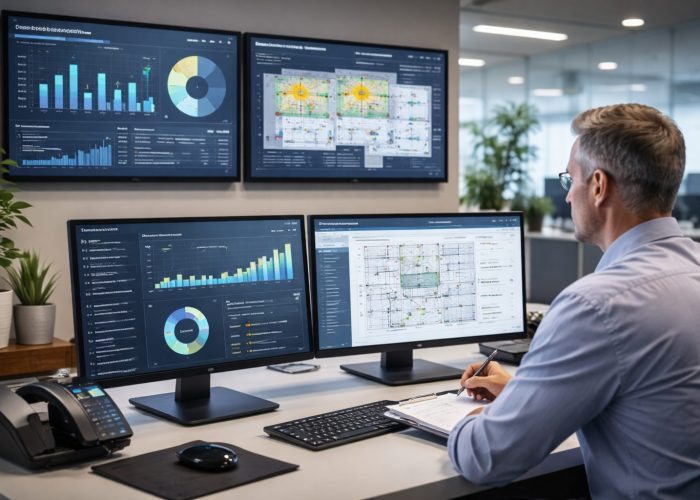
Turning Visitor Data into Operational Insight
Another often overlooked benefit of digital visitor management is the ability to collect meaningful operational data.
Organizations can analyze:
• Peak visitor hours
• Frequent visitor profiles
• Building occupancy patterns
• Reception workload trends
These insights can help facility managers optimize staffing, security procedures, and space usage.
In the context of smart buildings, visitor management becomes not just a reception tool but also a source of operational intelligence.
The Future of Visitor Management
As workplaces become more connected and intelligent, visitor management will continue to evolve.
What was once a simple reception function is now becoming a key digital layer in the modern workplace infrastructure. Future developments will likely include deeper integration with:
- smart building sensors
- AI-driven access control
- predictive occupancy management
- personalized visitor experiences
A Smarter Way to Welcome Visitors
The arrival experience is the first interaction many people have with an organization. Whether it is a client meeting, a partner visit, or a job interview, that moment sets the tone for the entire relationship.
By digitizing and integrating visitor workflows, solutions such as PADS4 Visitor Management help organizations create secure, efficient, and welcoming environments while supporting the broader vision of the smart digital building.
Because in today’s connected workplaces, visitor management is no longer just about managing guests. It is about designing the experience of entering your organization.